

Tree Pruning in Calgary
Professional pruning for healthy, safe, well-shaped trees
✅ Same week estimates
✅ Safety-first work
✅ Protection of your property
✅ Clean site when we leave
✅ Clear expectations
⭐⭐⭐⭐⭐ Our Reviews
Proper tree pruning improves safety, tree health, and appearance — when it’s done correctly and at the right time. At Arborista, we prune trees carefully, following arborist best practices, with respect for your property.
How it works
Send photos or book a quick visit
We assess tree condition, access, and timing
We schedule the work and handle the removal safely
We clean up and leave your yard tidy
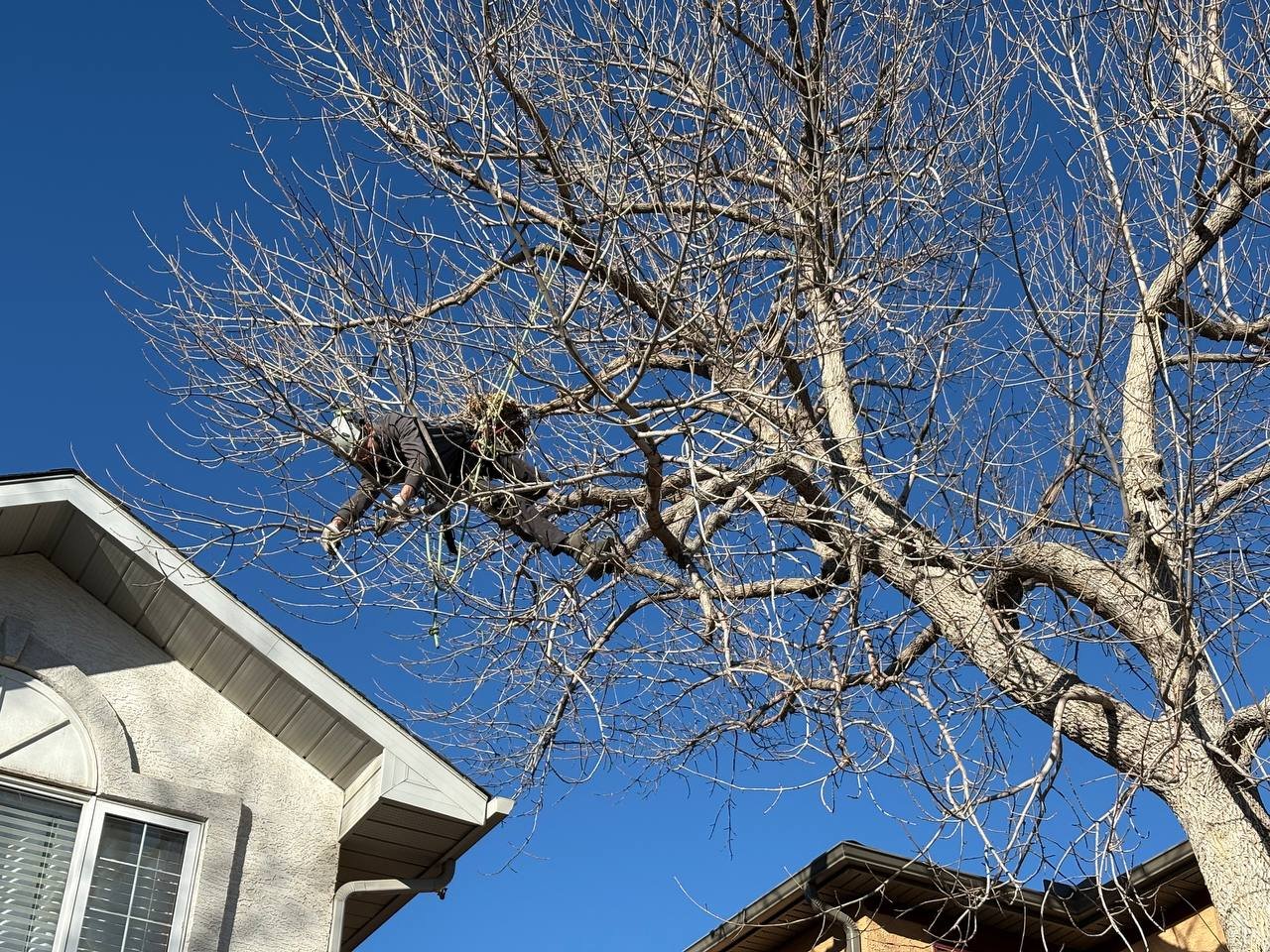
When tree pruning makes sense
Homeowners usually contact us for pruning when:
Branches are too close to the house, roof, or fence
Dead or broken limbs are present
Trees look overgrown or unbalanced
Wind or snow loads are a concern
Trees haven’t been maintained in years
They want healthier growth and better shape
Pruning is often the best alternative to removal — when done correctly.

Timing matters
Pruning is season-dependent, and some species have legal or biological restrictions.
For example:
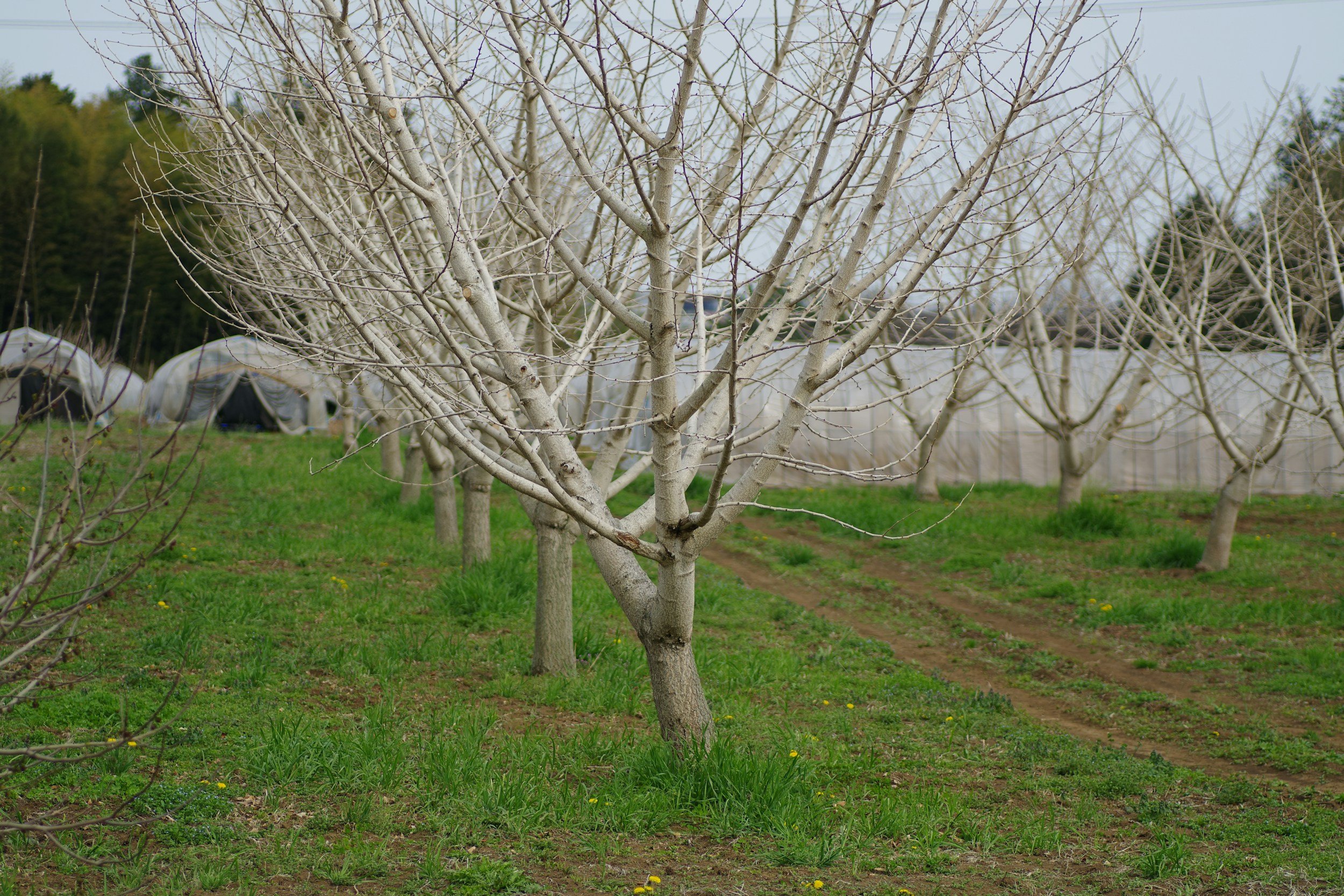
Most trees are best pruned in late winter or early spring
Some species (like elms) have strict pruning windows
Emergency pruning can be done anytime if safety is a concern
If now isn’t the right time, we’ll tell you — and help you plan.
Pricing
💲 ~$150 – $700 per tree (on average)
Tree pruning pricing depends on:
Tree size and number of trees
Access (front yard vs backyard, obstacles)
Type and extent of pruning required
Cleanup needs
-
“Tony’s pruning restored our maple’s natural shape - trees have never looked better!”
Quote SourceMark T., Airdrie
-
“Efficient, professional, and thorough cleanup. Highly recommend Arborista.”
Jane D., Calgary
-
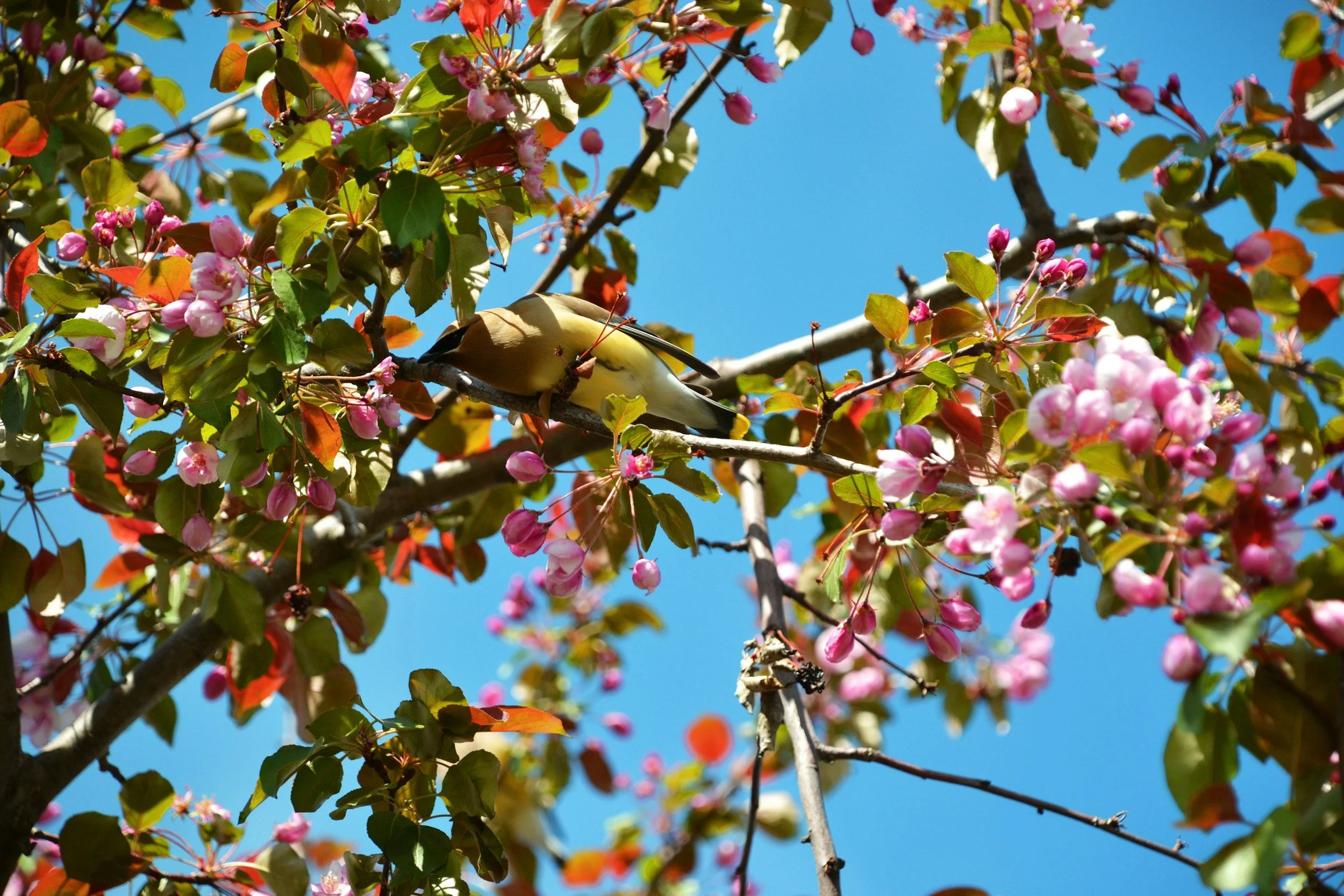
"Cherry tree blossoms so well this spring! And my bushes are cleaned up. Thanks for service Tony"
Irina T., Calgary
Frequently Asked Questions
-
Not always. Some trees are healthy and structurally sound without frequent pruning.
Pruning is recommended when:
Dead or broken branches are present
Branches are rubbing, crossing, or growing toward structures
The canopy is very dense or unbalanced
Safety is a concern (wind, snow load, visibility)
If pruning isn’t necessary, we’ll tell you honestly.
-
It depends on the tree’s age, species, and location.
Young trees: light structural pruning every 1–3 years
Mature trees: maintenance pruning every 3–5 years
Fast-growing species: may need more frequent attention
Over-pruning is harmful — proper timing matters more than frequency.
-
For most trees, late winter to early spring is ideal. Trees are dormant, stress is minimal, and wounds heal well.
However:
Some species have specific pruning windows
Some trees should not be pruned during certain seasons
Emergency or safety pruning can be done anytime
We always consider timing before recommending work.
-
Yes.
Some species (such as elm trees) have strict legal pruning windows due to disease prevention. Pruning at the wrong time can spread disease and may be prohibited by law.
If a tree has seasonal restrictions, we’ll advise you and schedule accordingly.
-
They are not the same.
Pruning uses selective cuts to improve structure, health, and safety
Topping removes large portions of the canopy indiscriminately
Topping weakens trees, causes rapid unstable regrowth, and shortens tree lifespan.
We do not top trees. -
Stump grinding is optional and can be added to your service.
-
Often, yes.
Proper pruning:
Reduces structural stress
Prevents decay from broken limbs
Improves balance and wind resistance
Many trees that are removed prematurely could have been preserved with correct pruning earlier.
-
As a general rule:
No more than 20–25% of the live canopy should be removed in one visit
Removing too much foliage stresses the tree and can lead to decline or failure.
If more work is needed, it’s often better to phase it over time. -
Yes.
All branches and debris are removed unless you request otherwise.
We leave the work area clean and safe.