

Tree Pruning in Calgary
Healthier trees. Better structure. Safer property.
💰 Most pruning jobs: $150–$500 per tree
✅ Deadwood removal — do it anytime
✅ Major pruning — late winter is best
⏳ Flowering shrubs — prune after bloom
🚫 Elm — illegal to prune April 1 – Sept 30
🚫 Birch & maple — wait until June
📖 See also: Spring Pruning Guide
📞 Not sure what you have? We'll tell you — free.
Pruning is the single most important thing you can do for your trees. Done right, it prevents storm damage, extends tree life, and keeps growth under control. Done wrong — or not at all — small problems become expensive ones.
✅ Remove hazards before they fall — dead branches, cracked limbs, weak forks
✅ Improve tree health — better airflow, less disease, focused energy
✅ Protect your property — keep branches off your roof, away from power lines
✅ Control size and shape — easier now than dealing with an overgrown tree later
✅ Extend your tree's life — a well-pruned tree lives decades longer
Most homeowners don't think about pruning until something goes wrong — a branch falls on the car, a tree starts dying back, or it grows into the power lines. By then, the fix is expensive.
Why Pruning Matters
Most homeowners don't think about pruning until something goes wrong — a branch falls on the car, a tree starts dying back, or it grows into the power lines. By then, the fix is expensive.
Regular pruning prevents problems. Dead branches don't heal. They get weaker until they fall. Crossing branches create wounds. Dense canopies catch wind and snow. Weak branch attachments split in storms. A little maintenance every few years prevents all of this.
Pruning keeps trees healthy. Removing dead, diseased, and rubbing branches lets the tree focus energy on healthy growth. Better airflow through the canopy reduces fungal problems. Proper cuts heal cleanly instead of rotting.
Pruning protects your property. Branches rubbing on your roof damage shingles. Limbs over your driveway can fall on cars. Trees growing into power lines are a fire hazard. Roots lifting your sidewalk? Sometimes the answer is crown reduction to rebalance root-to-shoot ratio.
Pruning extends tree life. A well-pruned tree can live decades longer than a neglected one. The $300 you spend on pruning now can save you $3,000 in removal later.
Signs Your Tree Needs Pruning
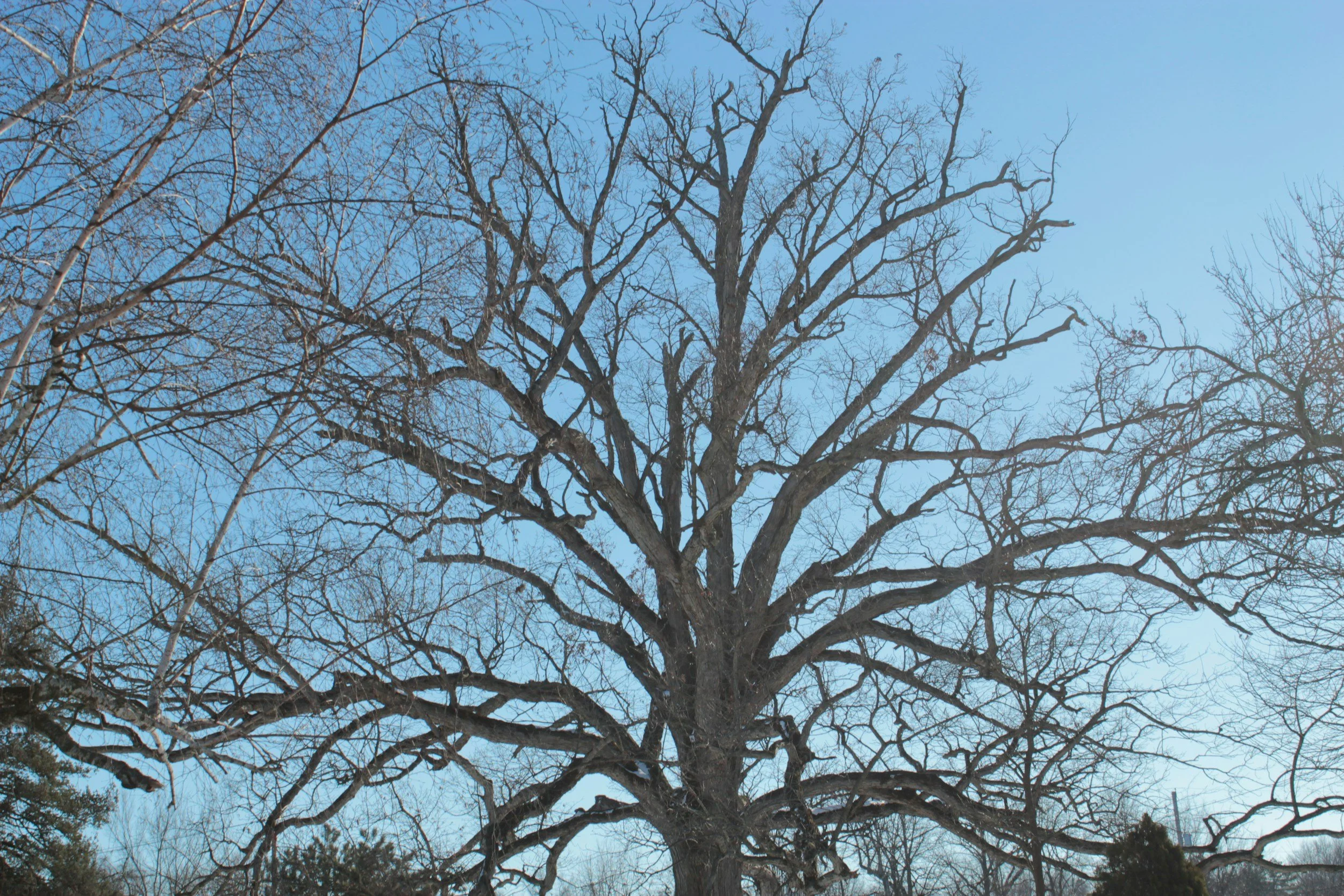
Dead branches. Bare limbs with no leaves in summer, brittle twigs, or bark falling off. Any dead wood over your house, driveway, or walkway should come off.
Crossing or rubbing branches. When branches grow into each other, they create wounds where disease enters. Thin these out before they cause bigger problems.
Branches touching your house. Limbs rubbing on your roof or siding cause damage over time — and give squirrels easy access to your attic. Keep at least 3 feet of clearance.
Low-hanging branches. Branches blocking walkways or driveways are a nuisance and liability. Crown raising removes lower limbs to give you clearance.
Dense, crowded canopy. Heavy canopies catch more wind and snow, increasing breakage risk. Thinning lets light and air through while reducing weight.
Storm damage. Broken branches, hanging limbs, or splits need attention before they fall or invite decay.
Suckers and water sprouts. Those clusters of thin shoots at the base or along branches sap energy and look messy. Regular removal keeps the tree focused on structural growth.
Pruning by Tree Type
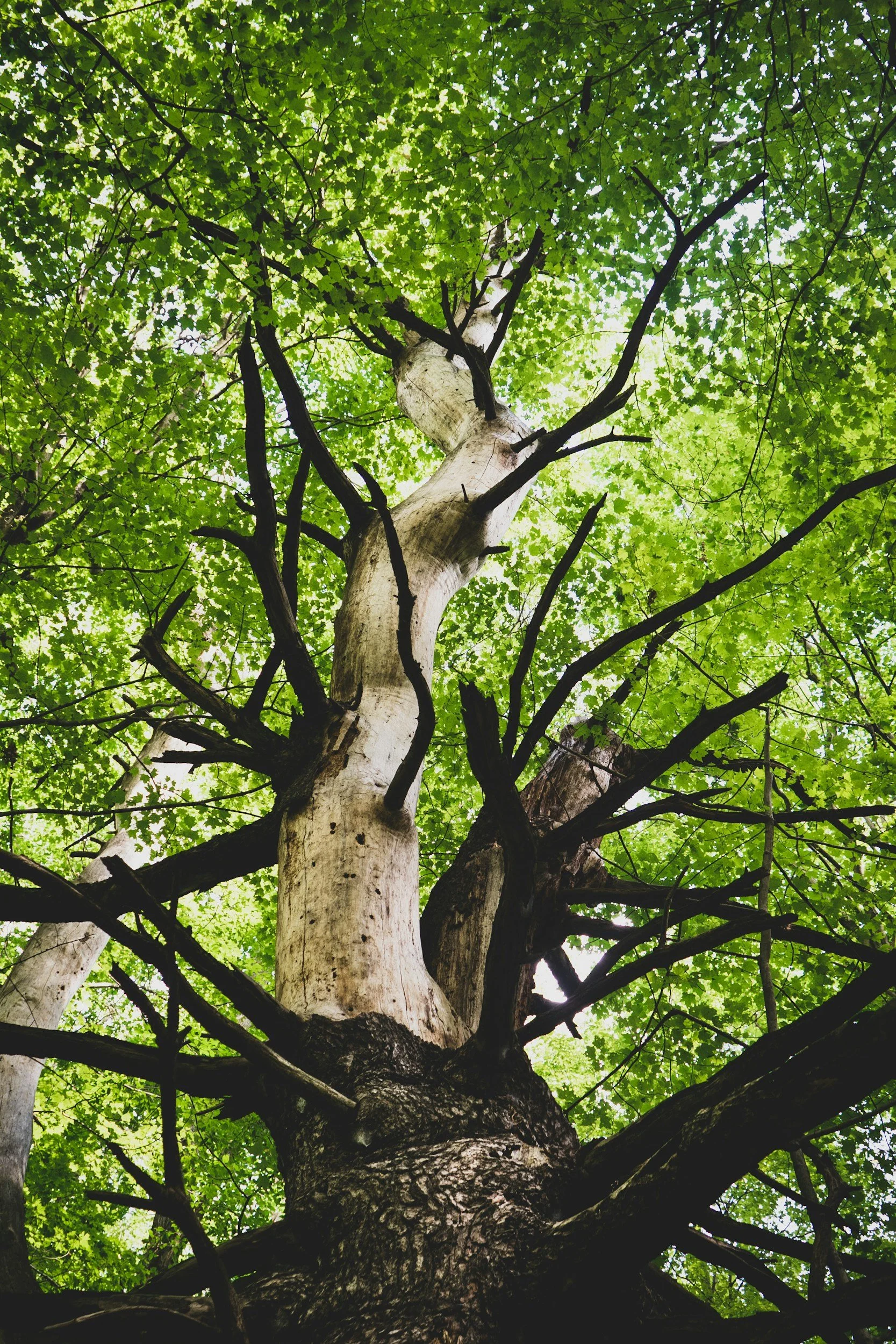
Different trees have different needs. Here's what works for Calgary's common species:
Spruce and Pine
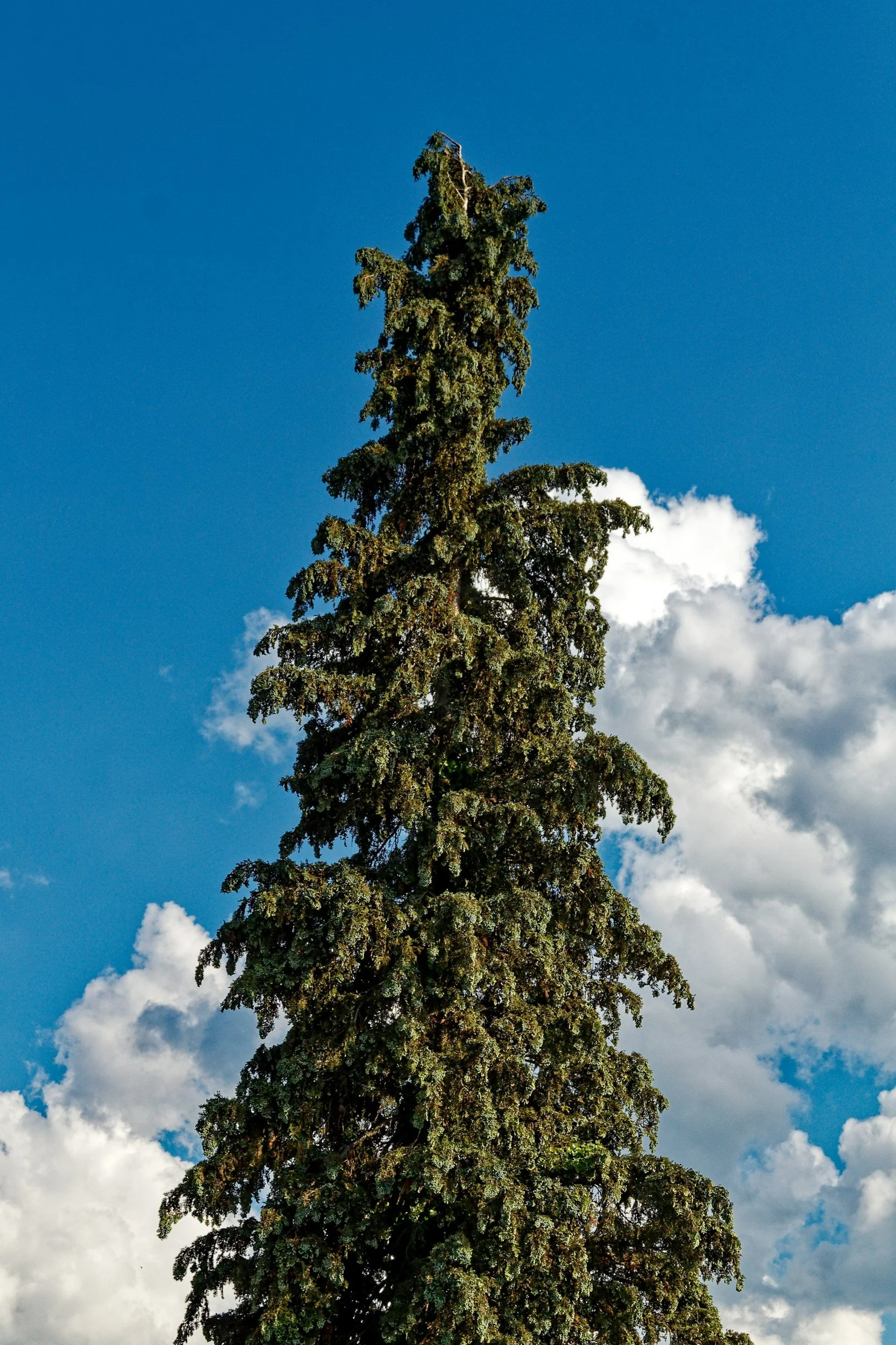
Spruce rarely need pruning except to remove dead lower branches or correct damage. You can do light shaping, but don't cut back into bare wood — spruce won't regrow from branches without needles. To make spruce denser, cut the new "candles" in half in June before needles unfold.
Pine works similarly. Light shaping is fine; heavy cutting isn't. To control size, snap or cut new candles in late May. Never top a conifer — it destroys the natural form permanently.
Apple, Cherry, and Fruit Trees
Fruit trees need annual pruning to stay productive. The goal is an open center with good light penetration to all branches. Remove suckers, water sprouts, and crossing branches. Keep the interior open — fruit needs sunlight to ripen properly.
For apples, aim for a vase or goblet shape. Don't over-prune — removing more than 25% in one year encourages excessive vegetative growth instead of fruit.
Black knot is common on cherry and plum in Calgary. If you see the hard, black, swollen growths on branches, they need to be cut out — at least 6 inches below the visible infection. Sanitize your pruners between cuts.
Ash, Poplar, and Aspen
Ash respond well to structural pruning — maintaining a strong central leader and removing competing tops. This species is especially vulnerable to storm damage if left with multiple competing leaders.
Poplar and aspen are aggressive responders to pruning. Every cut stimulates sucker growth. Prune minimally, and expect to deal with some suckers regardless. If you need to reduce size, do it gradually over multiple years.
Elm
Elm pruning is illegal from April 1 through September 30 in Alberta. This prevents Dutch Elm Disease spread. Plan elm work for late fall or early spring only. If you have an elm that needs attention, call before April 1.
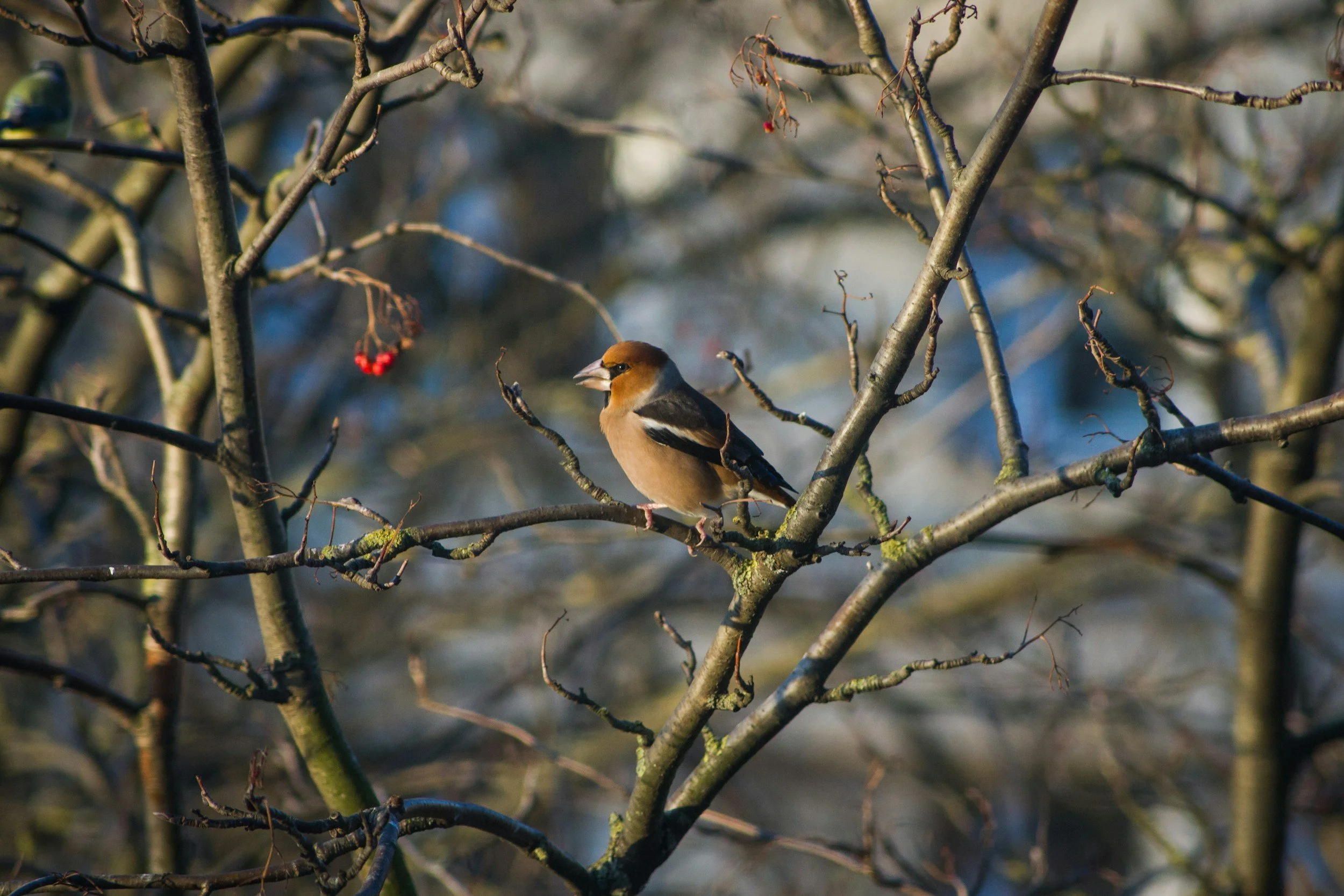
Birch and Maple
Don't prune birch or maple in spring. Both bleed sap heavily if cut while sap is flowing. Wait until June or later when leaves are fully out. Safety pruning can be done anytime, but for routine work, summer is best.
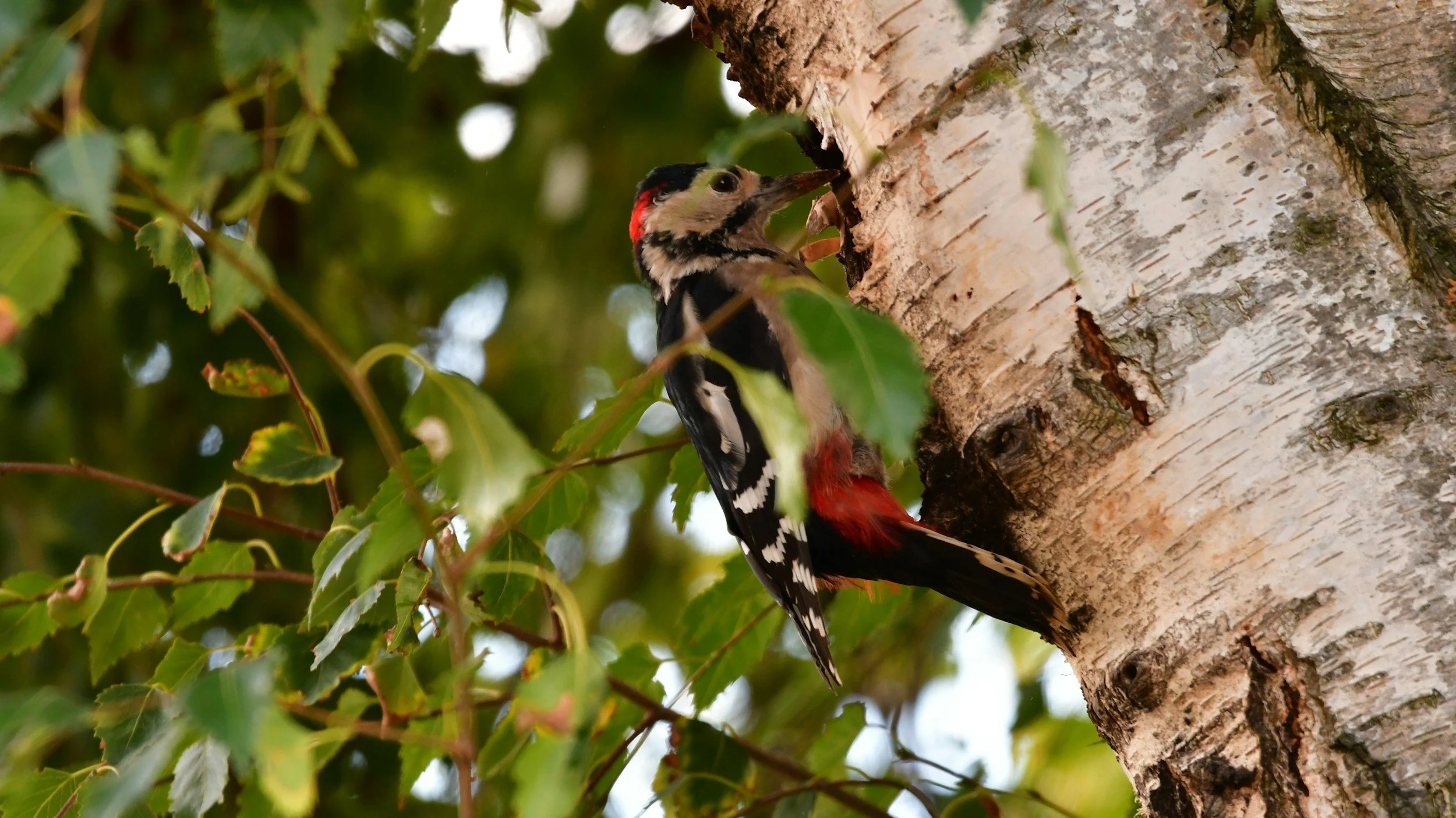
Lilac, Forsythia, and Spring-Blooming Shrubs
Prune immediately after flowering — not before. These plants set next year's flower buds in summer, so spring pruning removes the blooms. Wait until flowers fade (usually June), then shape.
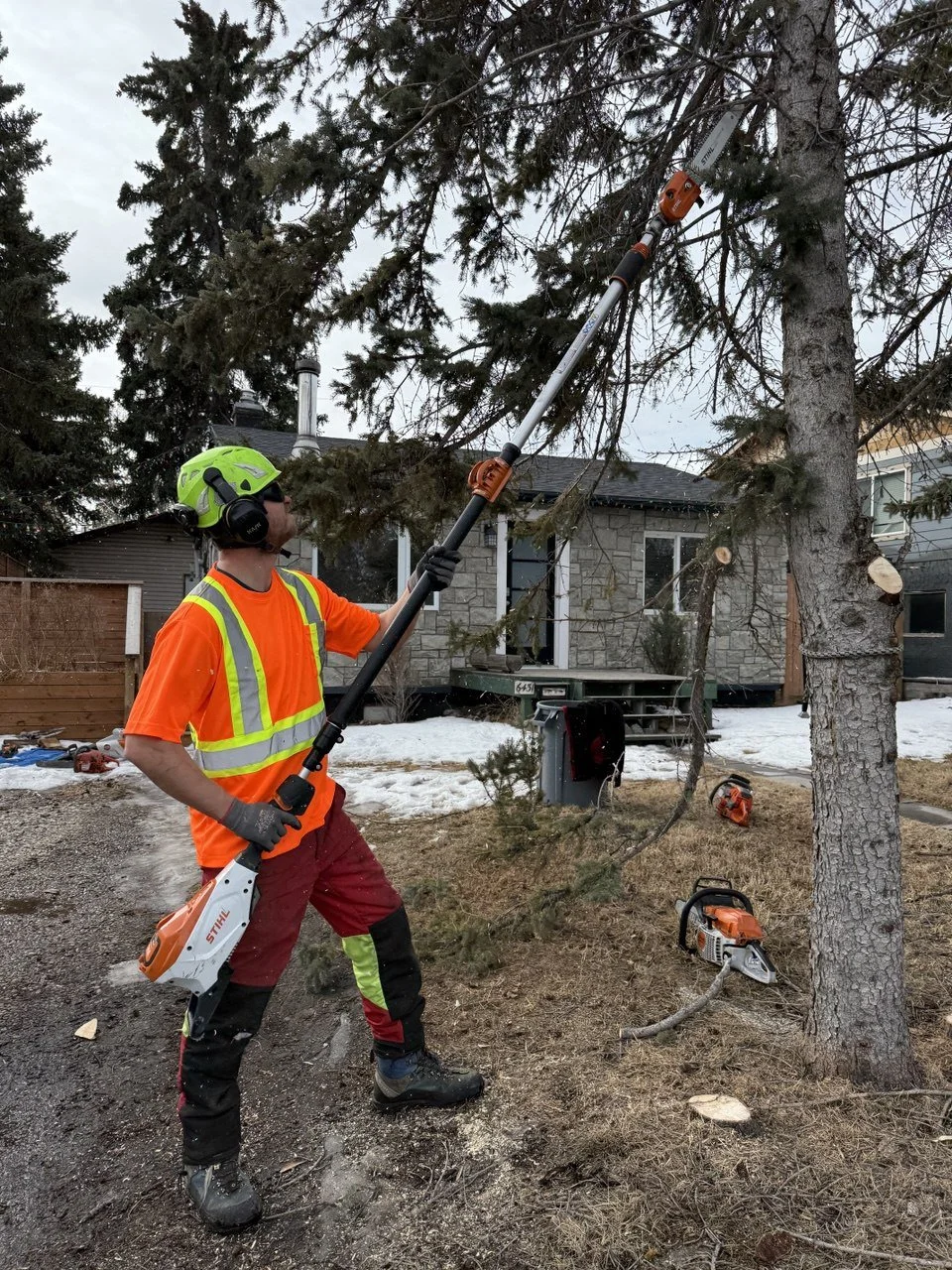
Types of Pruning (What to Ask For)
Deadwooding. Removing dead, dying, and diseased branches. The most basic and important type — every tree benefits. Should be done regularly.
Crown cleaning. A more thorough version of deadwooding — removes dead, dying, diseased, crossing, and rubbing branches. Good general maintenance.
Crown thinning. Selectively removing branches to reduce density without changing overall size. Improves light and air penetration, reduces wind resistance.
Crown raising. Removing lower branches for clearance underneath. How you get room to walk, mow, or park.
Crown reduction. Reducing the overall size of the tree by shortening branches back to lateral limbs. Different from topping — maintains natural shape.
Structural pruning. Training young trees to develop strong branch architecture. Prevents problems down the road.
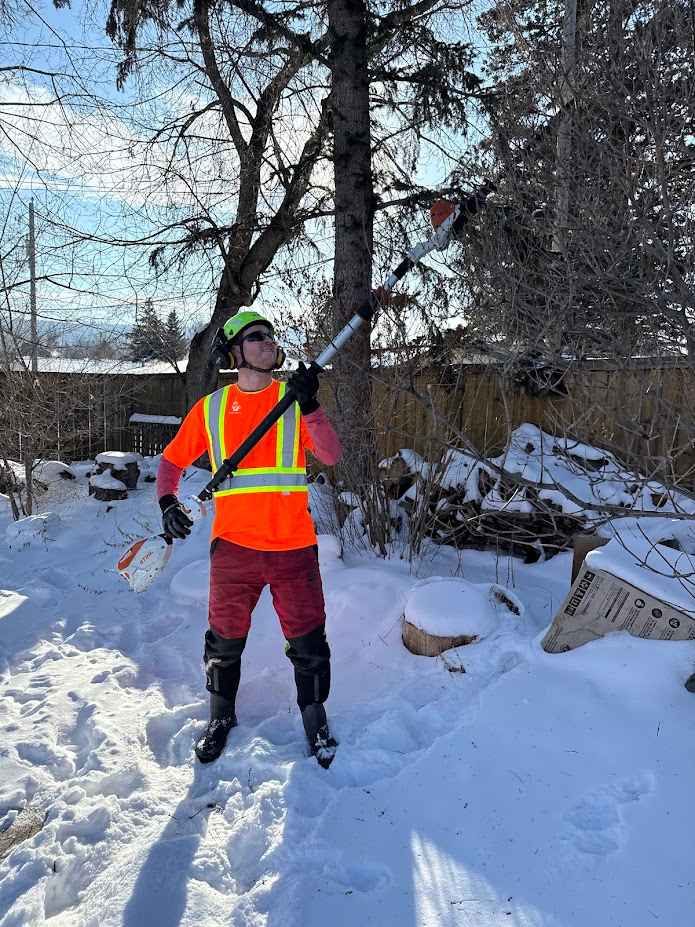
How Much Does Pruning Cost?
Light pruning (deadwooding, small trees): $150–$300 Removing dead branches, shaping small ornamentals, or basic cleanup on accessible trees.
Standard pruning (mature residential trees): $300–$500 Most work falls here — crown cleaning, thinning, or raising on established spruce, ash, elm, or similar.
Heavy or complex pruning: $500–$1,000+ Large trees requiring climbing, significant crown reduction, trees close to structures, or trees that haven't been pruned in many years.
Multiple trees: Per-tree cost drops when we're already on site with equipment. Bundling saves money.
What affects price: Tree size, amount of work needed, accessibility, proximity to house or power lines, and how long since the tree was last pruned.
Have a question that’s not answered here?
Contact us — we’re happy to help.
Tree Pruning: FAQ
-
Most healthy shade and ornamental trees benefit from light pruning every 3–5 years. Young or fast-growing species (like poplars or willows) may need annual touch-ups, while slower growers (like oaks and maples) can wait longer between visits.
-
Late Winter to Early Spring (while trees are dormant) is ideal for most deciduous species—wounds heal quickly once sap flow resumes.
Summer Pruning can address broken or hazardous limbs, but avoid heavy cuts in hot, dry months.
-
No - when done correctly, pruning actually improves tree health by removing dead, diseased, or overcrowded branches. We follow ISA best practices to make clean cuts just outside the branch collar, minimizing stress and infection risk.
-
Our pricing starts at $250 per job, depending on:
Tree size and species
Number of cuts required
Accessibility and safety considerations
You’ll always get a free, no-obligation estimate before we begin.
-
Absolutely. After pruning, we haul away all branches and wood chips, then do a final sweep of your yard. If you’d like to keep the wood for firewood, just let us know - we can stack it for you.
-
In Calgary, most residential pruning jobs don’t require a permit. However, for removal of mature boulevard or protected species, you may need city approval. We’ll let you know if your project falls under permit requirements and can even help with the application.
-
Yes. Arborista is fully insured, and Tony is an ISA-Certified Arborist trained in proper pruning techniques for boreal-zone species. Your property and our crew are protected from start to finish.
-
Most small-to-medium residential trees take 1–3 hours each. Larger or multiple trees may require additional time. We’ll give you an accurate timeline as part of your free estimate.
NEED HELP?
Arborista Tree Care
📞 (587) 917-6554
☑️ Serving Calgary & Area
☑️ Fully insured
☑️ Same-week estimates
☑️ We clean up after ourselves
Not sure if your tree needs professional attention? Have a hedge that's gotten away from you? Questions about what to prune and when?
We're happy to take a look and give you honest advice — even if the answer is "you can handle this yourself."