

Calgary Spring Pruning Guide
What to prune now, what to leave alone, and what's illegal until October.
🌲 Calgary Pruning Window: Mid-March to mid-April
🚨 Elm Tree Deadline: Must prune before April 1
🍎 Fruit Trees: Prune now for better harvest
🌸 Lilac & Forsythia: Don't touch — prune AFTER flowering
🌳 Birch & Maple: Wait until summer
📖 See also:
📞 Not sure what you have? We'll tell you — free.
Late March through mid-April is the prime pruning window for most trees and shrubs in Calgary. Here's why this timing works:
✅ Trees are still dormant — less stress, faster healing
✅ Worst of winter is over — no risk of freeze damage to fresh cuts
✅ Structure is visible — no leaves blocking your view
✅ Sap isn't flowing yet — cleaner cuts, less "bleeding"
✅ Insects aren't active — lower disease risk
Once buds start swelling and leaves appear (usually late April), pruning becomes more stressful for the tree. Miss the spring window? It's often better to wait until fall.
Prune These Trees (March – April)
Fruit Trees: Apple, Cherry, Plum, Pear
Fruit trees are best pruned in late March to early April, while still dormant but after the coldest weather has passed. This timing encourages strong spring growth and improves fruit production.
For apples and crabapples, focus on opening up the center of the tree so sunlight can reach all the branches. Remove any suckers growing from the base, water shoots (those vertical branches that sprout straight up), and any branches that cross or rub against each other. The goal is a vase or goblet shape with good airflow through the canopy.
Sour cherries like the Evans cherry — one of the few cherries hardy enough for Calgary — respond well to spring pruning. Keep the center open and remove dead wood. Avoid heavy pruning, as cherries can be sensitive.
Plums and pears follow similar rules. Light annual pruning keeps them productive. Heavy cuts encourage excessive vegetative growth at the expense of fruit.
For all fruit trees, never remove more than about 25% of the canopy in a single year. If a tree has been neglected and needs major work, spread the renovation over two or three years.
Spruce and Pine
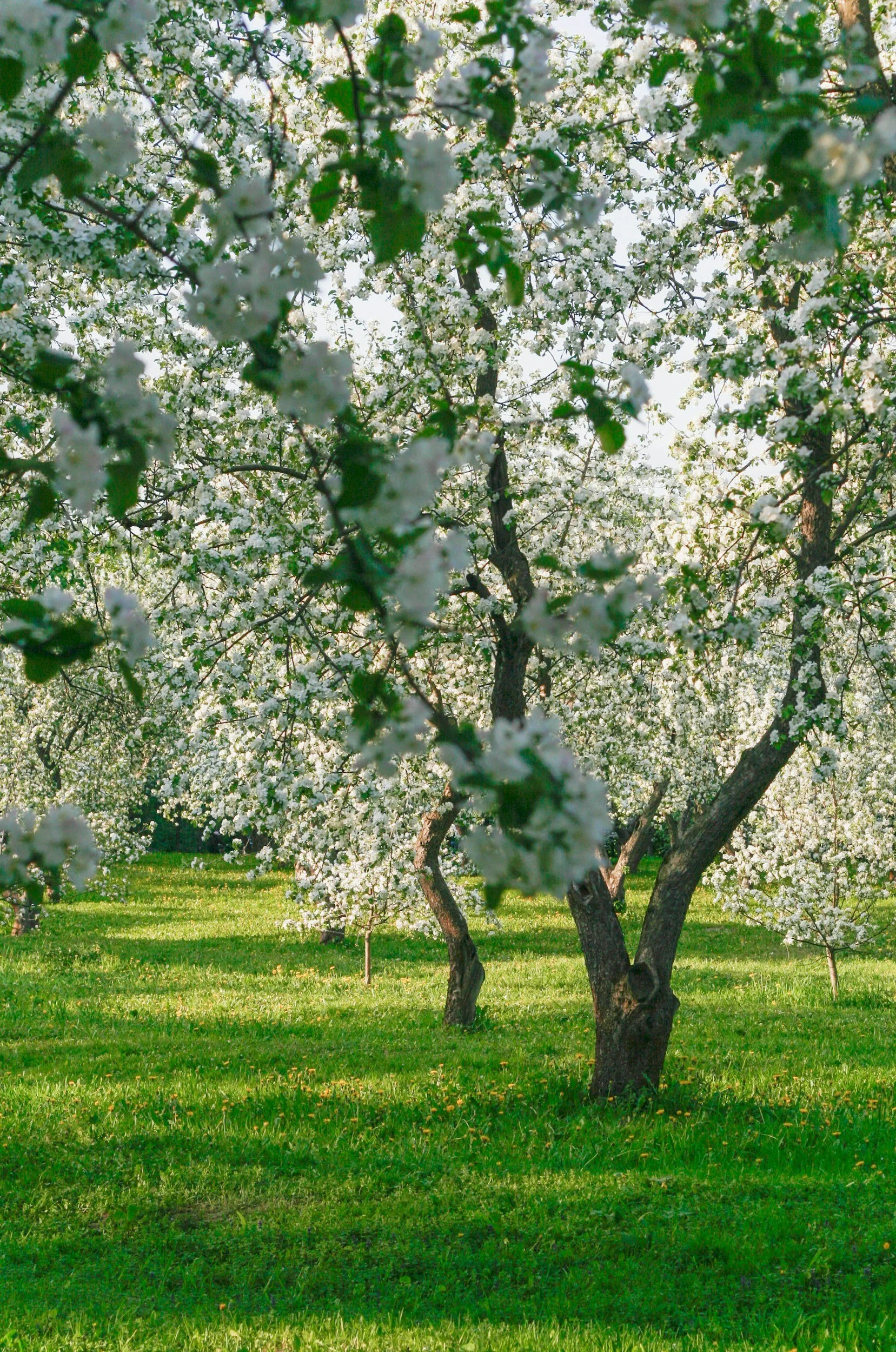
Evergreens don't require much pruning, but early spring is a good time to remove dead branches, correct any lopsided growth, or manage size.
For spruce, you can do light shaping in March or April. If you want to make spruce denser and more compact, wait until June and cut the new "candles" (the soft new growth at branch tips) back by about half before the needles fully unfold.
Pines work similarly. Snap or cut the candles in half in late May or early June to encourage bushier growth. This is how you keep a pine compact or control the size of a Scots pine.
One important rule for all evergreens: don't cut back into bare wood. Unlike deciduous trees, most conifers won't regrow from old wood that has no needles. If you cut a spruce branch back beyond where needles are growing, that branch is done.
Ash, Aspen, and Poplar
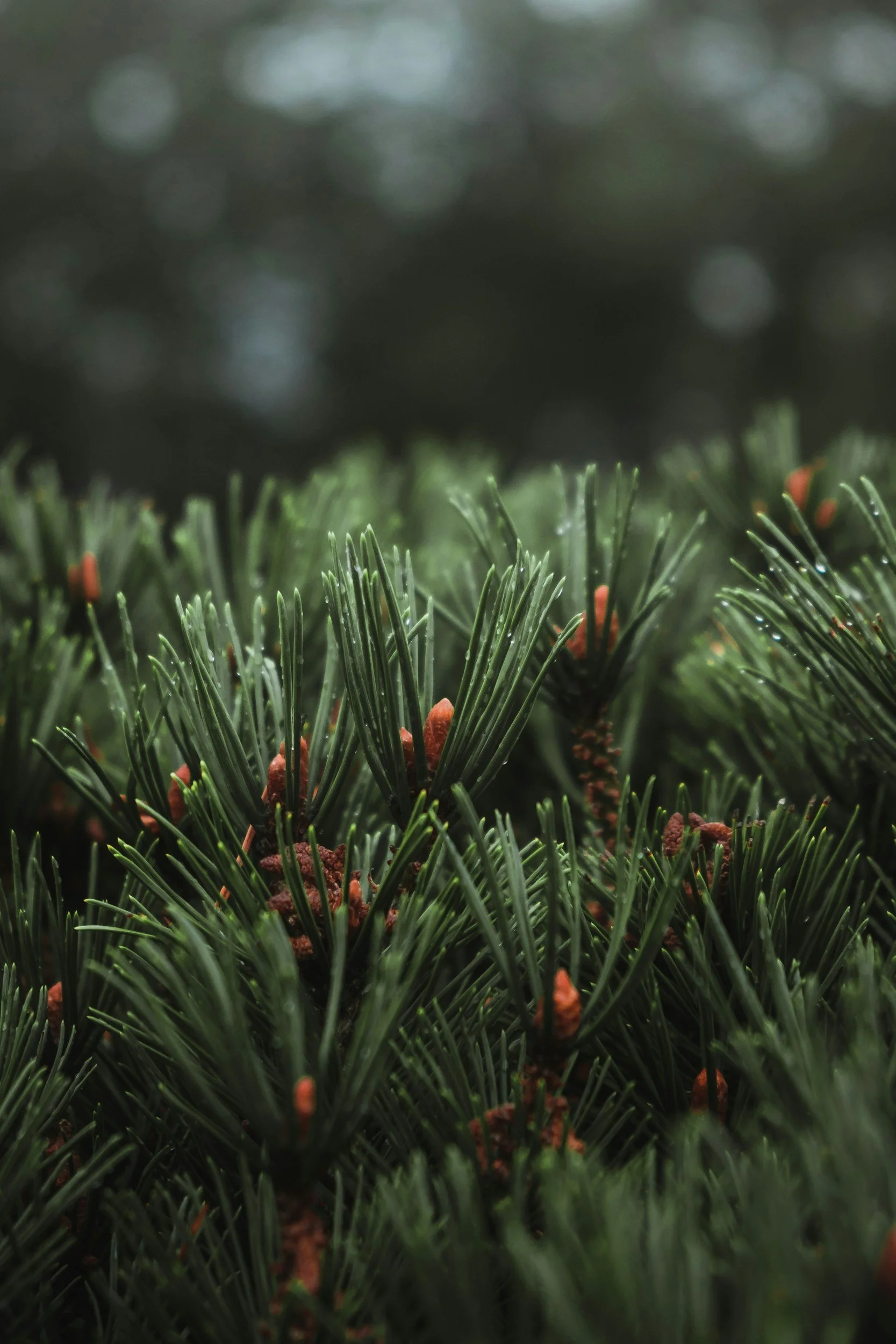
Ash trees can be pruned in early spring while dormant. Focus on structure — removing crossing branches and maintaining a strong central leader.
Aspens and poplars are trickier. They respond to pruning by sending up suckers everywhere, so keep cuts minimal unless you're prepared to deal with aggressive sprouting. Early spring pruning before growth begins causes less suckering than summer pruning.
Flowering Shrubs That Bloom on New Wood
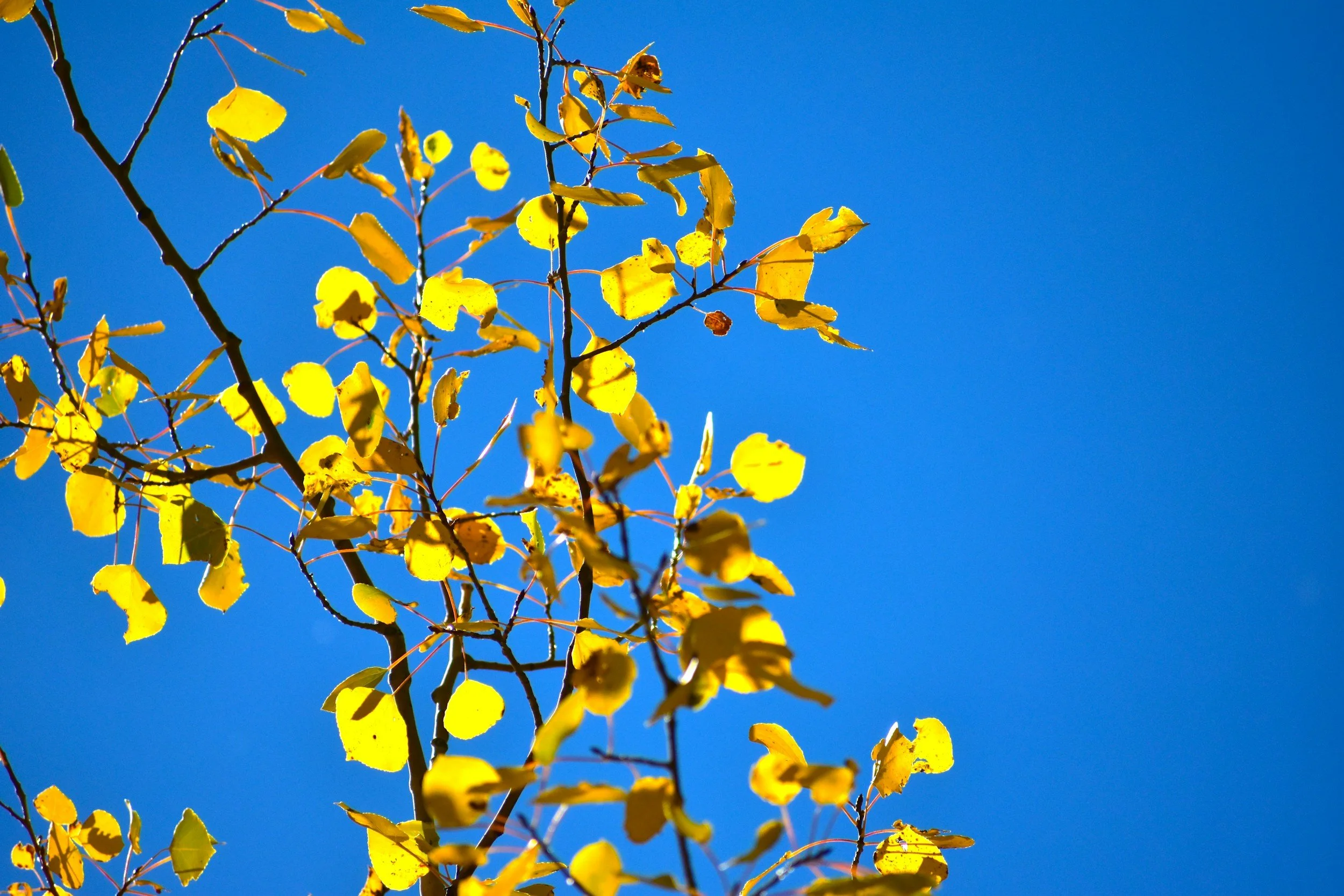
Some shrubs produce flowers on growth that happens in the current year. For these, spring pruning encourages more branches, which means more flowers later in summer.
Pink and Japanese spirea can be cut back hard in early spring, even to just a few inches above the ground if needed. They'll regrow vigorously and bloom on the new growth in summer.
Potentilla benefits from light spring pruning to remove dead tips and encourage fresh growth. These tough prairie shrubs are very forgiving.
Ninebark responds well to pruning. Cut back leggy stems to encourage a fuller shape.
Panicle and smooth hydrangeas (like Limelight or Annabelle) bloom on new wood and should be pruned in late winter or early spring. Cut back last year's stems, and the plant will produce fresh growth that flowers in summer. Note: This is different from mophead hydrangeas, which bloom on old wood — but those rarely survive Calgary winters anyway.
Shrub roses, including the Parkland and Explorer series popular in Calgary, should have dead and damaged canes removed in spring once you can assess winter damage. Cut back to healthy white pith inside the stem.
Have a question that’s not answered here?
Contact us — we’re happy to help.
TREES AND SHRUBS TO LEAVE ALONE IN SPRING
Elm Trees: It's the Law
Alberta has a provincial elm pruning ban from April 1 to September 30. During these months, it's illegal to prune elm trees anywhere in the province.
This law exists to prevent Dutch Elm Disease, a deadly fungus that has devastated elm populations across North America. The disease is spread by elm bark beetles, which are active during warm months and attracted to the smell of fresh pruning cuts.
Alberta has one of the last large, healthy elm populations on the continent. The pruning ban, combined with strict rules about elm wood disposal, has kept Dutch Elm Disease from gaining a foothold here.
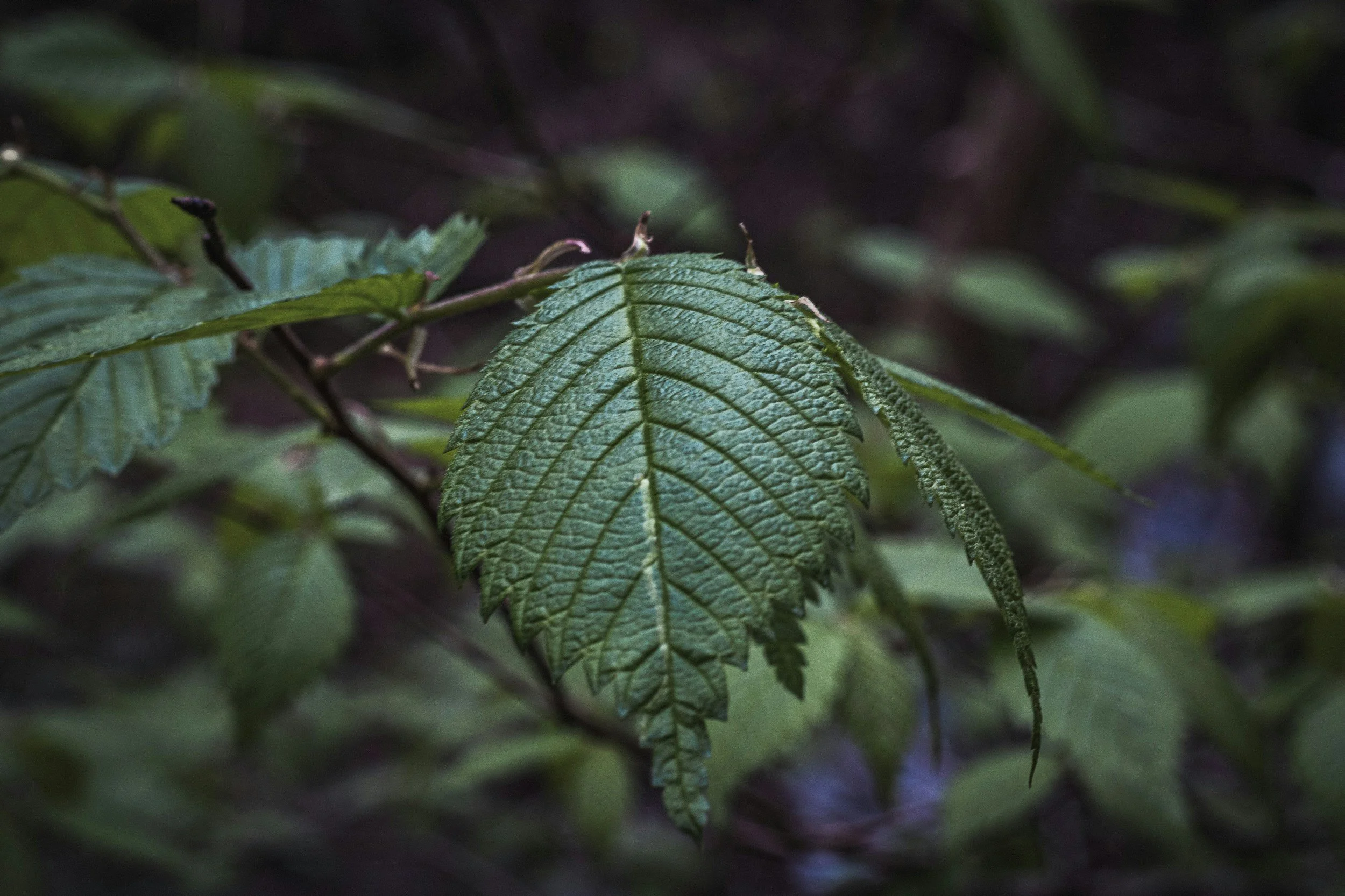
Birch and Maple: Wait Until Summer
Birch and maple trees should not be pruned in spring. Both species are heavy "bleeders" — if you cut them while sap is flowing, they'll drip copious amounts of sticky liquid from the wound.
This sap loss isn't just messy. It weakens the tree and creates an entry point for insects and disease. Birch in particular can struggle to recover from spring pruning.
The right time to prune birch and maple is June through July, after leaves have fully expanded and sap flow has slowed. At this point, cuts seal more quickly and the tree handles the stress better.
If you absolutely must remove a hazardous or broken branch in spring, do it — safety comes first. But for routine maintenance and shaping, wait until summer.
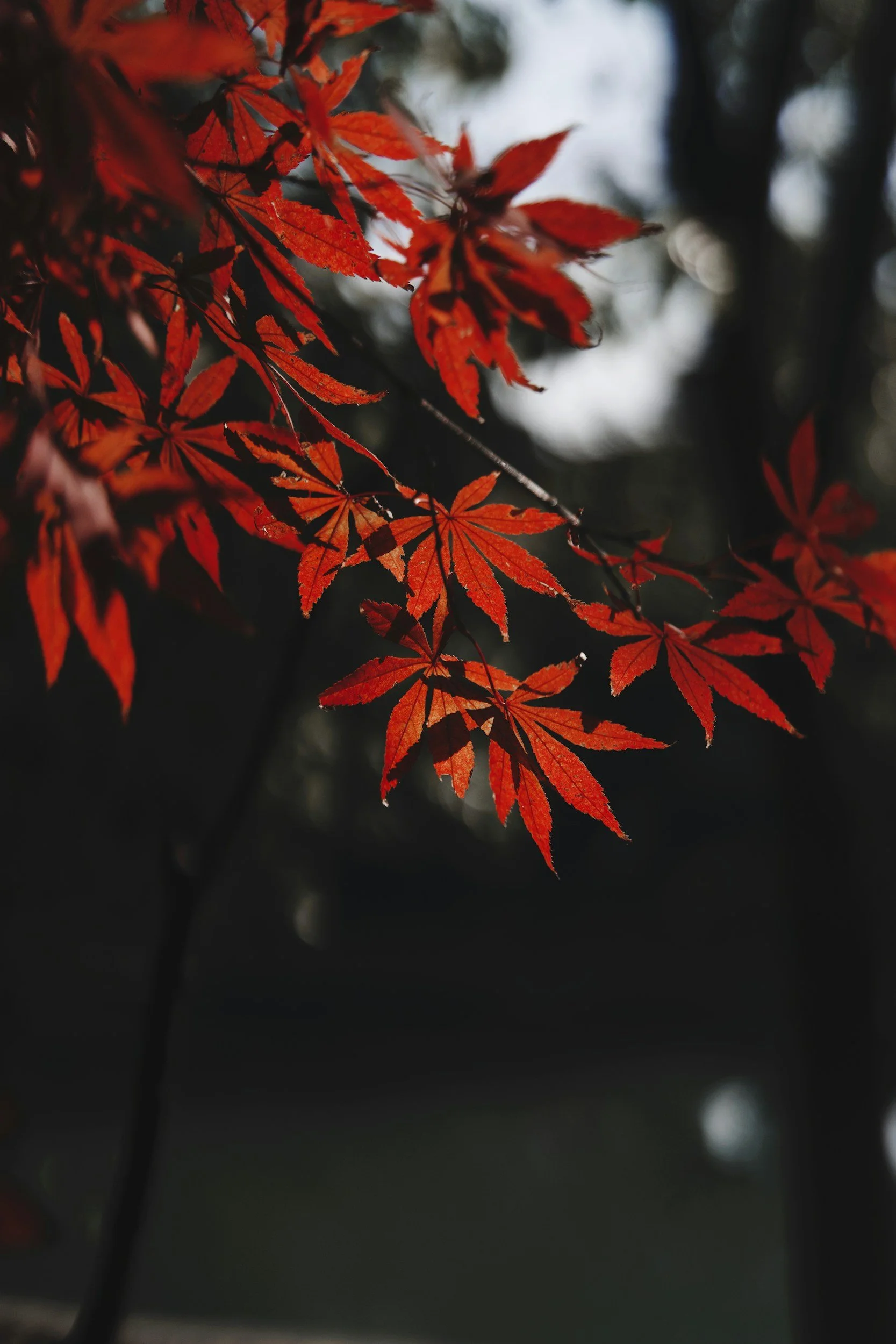
Spring-Blooming Shrubs: Prune After They Flower
Many popular shrubs produce flowers on last year's growth, which means the buds for this spring's blooms are already on the branches right now. If you prune these shrubs in spring before they flower, you're cutting off the show.
Lilac is the classic example. Those flower buds formed last summer, and they've been waiting all winter for their moment. Prune a lilac in April and you'll have no blooms in May. The right time to prune lilac is immediately after flowering, usually in early June. This gives the plant all summer to grow new wood and set buds for next year.
Nanking cherry and double flowering plum bloom on old wood. Enjoy the spring flowers, then prune.
White or bridal wreath spirea (the big arching ones with cascades of white flowers) is different from pink Japanese spirea. The white types bloom on old wood and should be pruned after flowering.
Other spring bloomers to leave alone: Mock orange, weigela, azalea, rhododendron (if you're lucky enough to have one survive here), and any flowering shrub that blooms before mid-June.
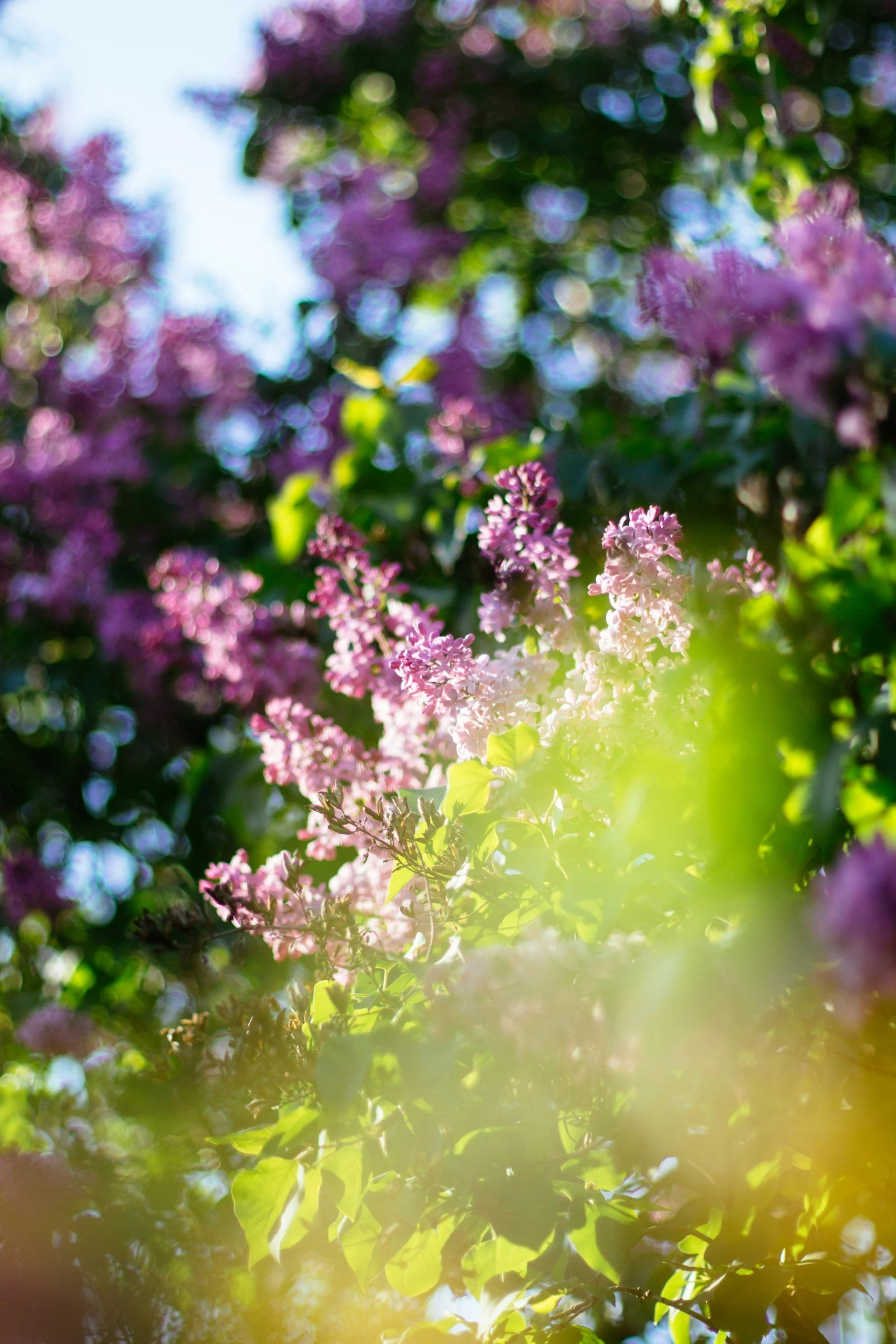
HEDGES
Cotoneaster
Cotoneaster is probably the most common hedge plant in Calgary. It's tough, it grows fast, and it tolerates our climate well.
For the best-looking cotoneaster hedge, plan on two trims per year. The first trim happens in late spring or early summer, once the flush of new growth has extended a few inches. The second trim is a lighter cleanup in late summer to tidy things up before fall.
If your cotoneaster hedge has become overgrown, bare at the bottom, or full of dead wood inside, you can do renovation pruning in late winter. Cut it back hard — even to a foot or two from the ground if needed — and it will regrow from that established root system. You'll lose a year of privacy, but you'll get a healthier hedge.
One common problem with old cotoneaster hedges is that the interior becomes a tangle of dead branches while all the leaves are on the outside. This happens when hedges are trimmed flat on top instead of slightly narrower, which shades out the lower growth. When renovating, thin out the interior deadwood and reshape so the base is slightly wider than the top.
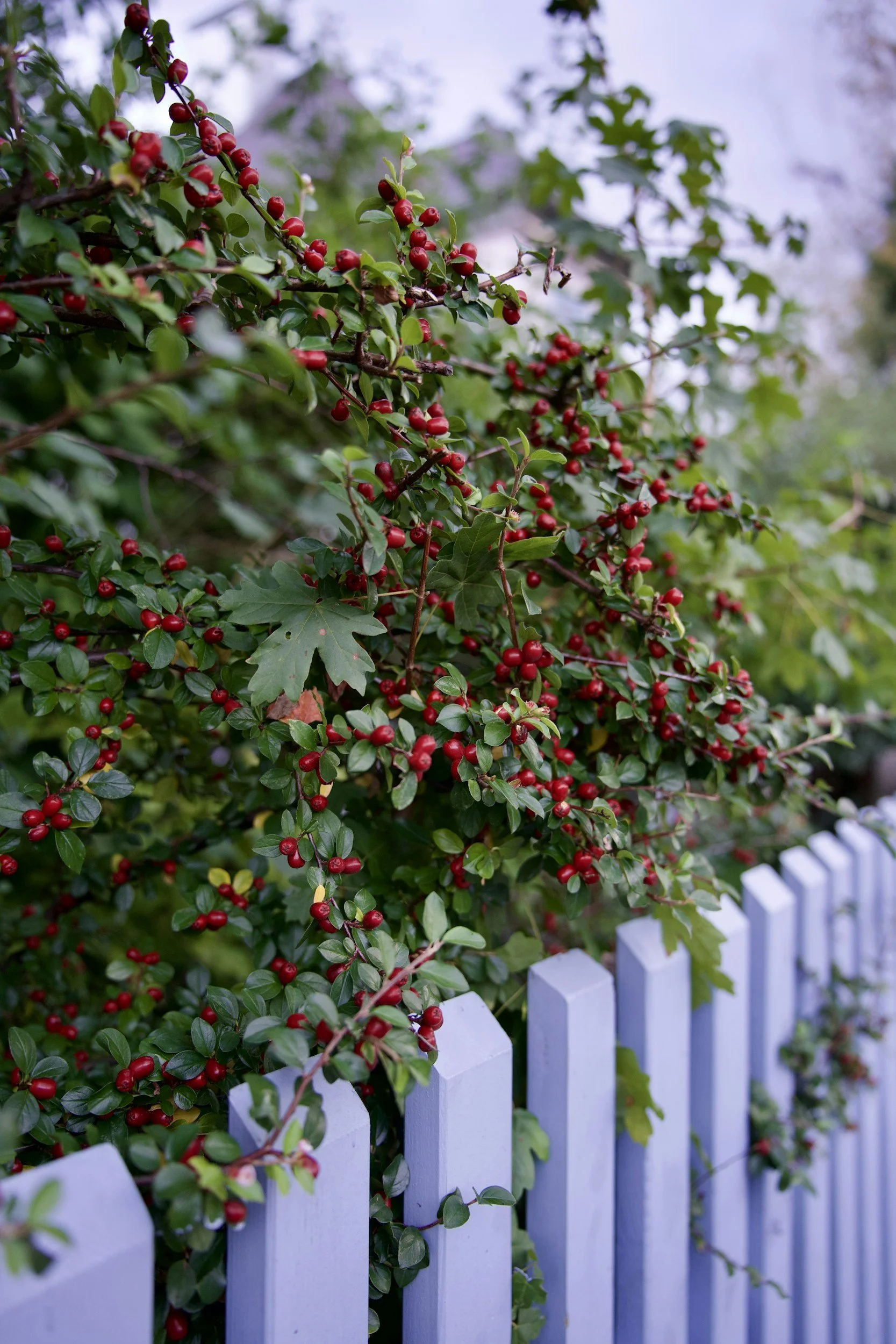
Caragana
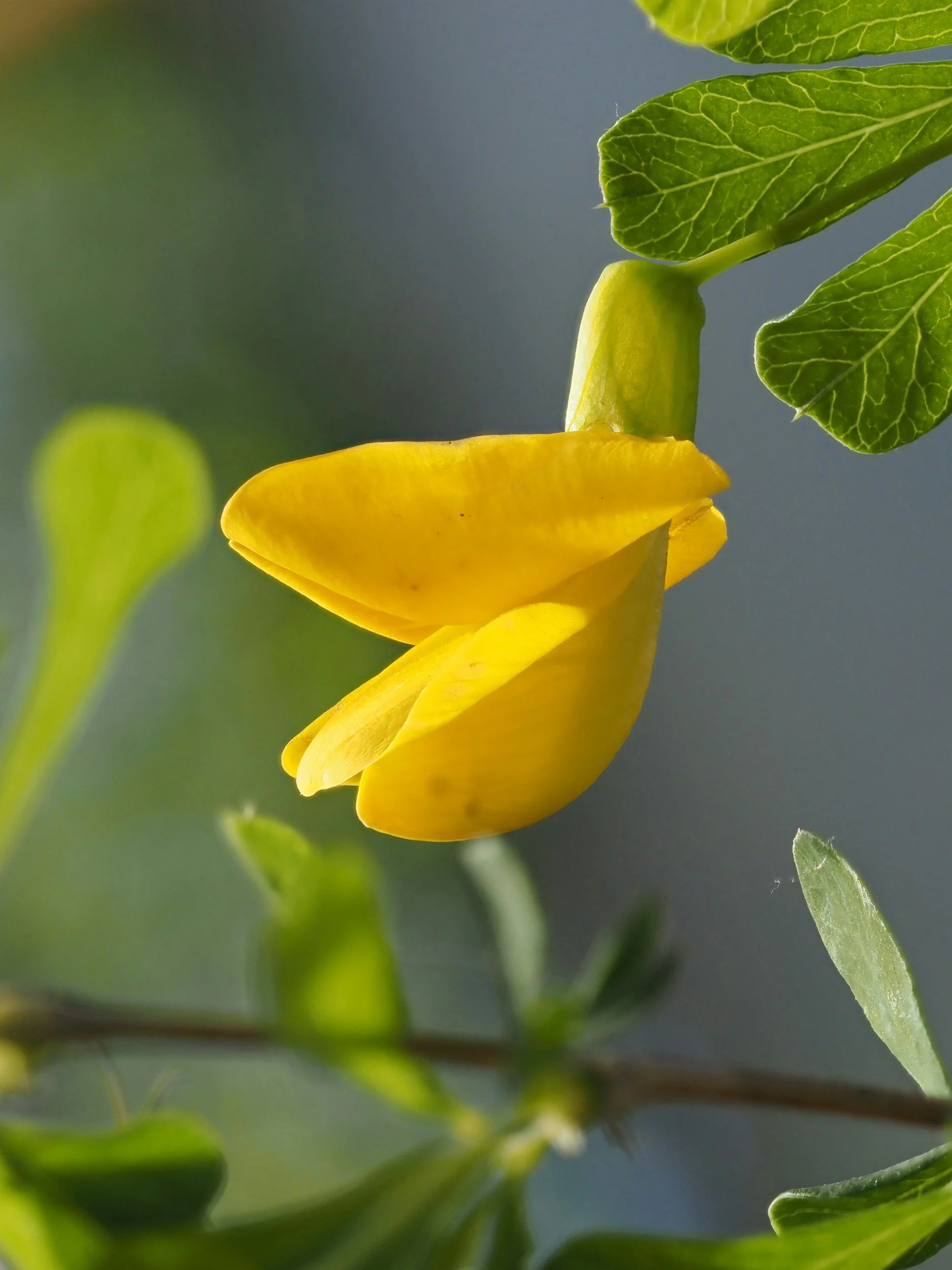
Caragana makes a tough, drought-tolerant hedge, though it can get leggy and produce lots of suckers. It's also somewhat thorny and has seeds that spread aggressively, so think carefully before planting it near garden beds.
The best time to prune caragana is right after flowering in late May or early June. You can also do hard renovation pruning in late winter if the hedge has gotten out of control — cut it back to a few inches from the ground and it will regrow.
Caragana is prone to powdery mildew, especially on the shaded side. If your hedge is infected, avoid trimming during the mildew season (summer) to prevent spreading spores. Do your shaping in late winter instead.
Lilac
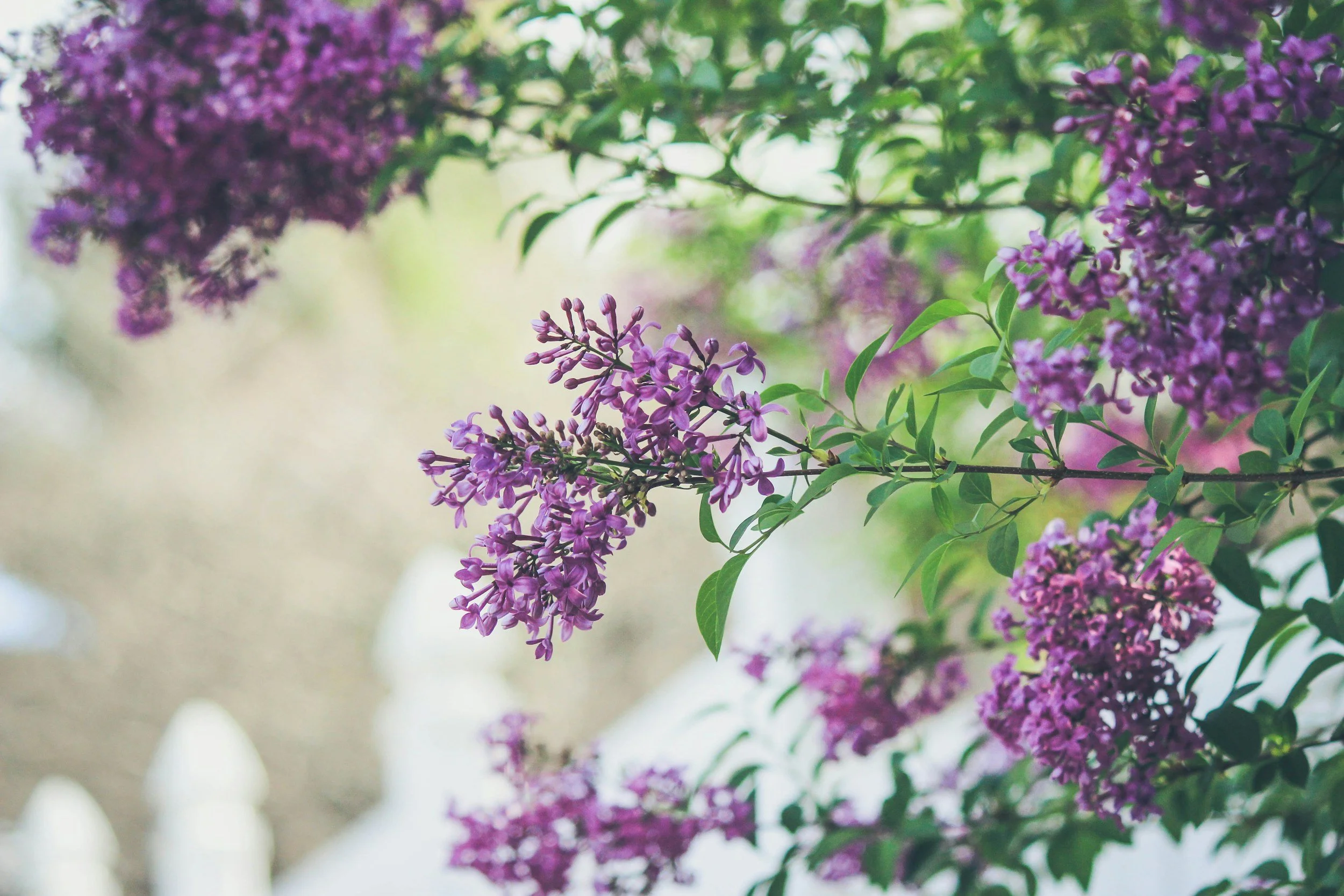
Lilac makes a beautiful, fragrant hedge, but pruning timing is critical. Prune in spring and you'll have no flowers.
Wait until right after the lilacs finish blooming, usually early June. Remove spent flower heads (deadheading), thin out some of the oldest stems at ground level to encourage fresh growth, and shape as needed. Do all your cutting within a few weeks of bloom ending, so the plant has maximum time to set buds for next year.
Old lilac hedges that have become tall and bare at the bottom can be renovated over three years. Each year, cut about one-third of the oldest stems to the ground. New growth will fill in from below while the remaining old stems keep providing flowers during the transition.
Cedar and Juniper Hedges
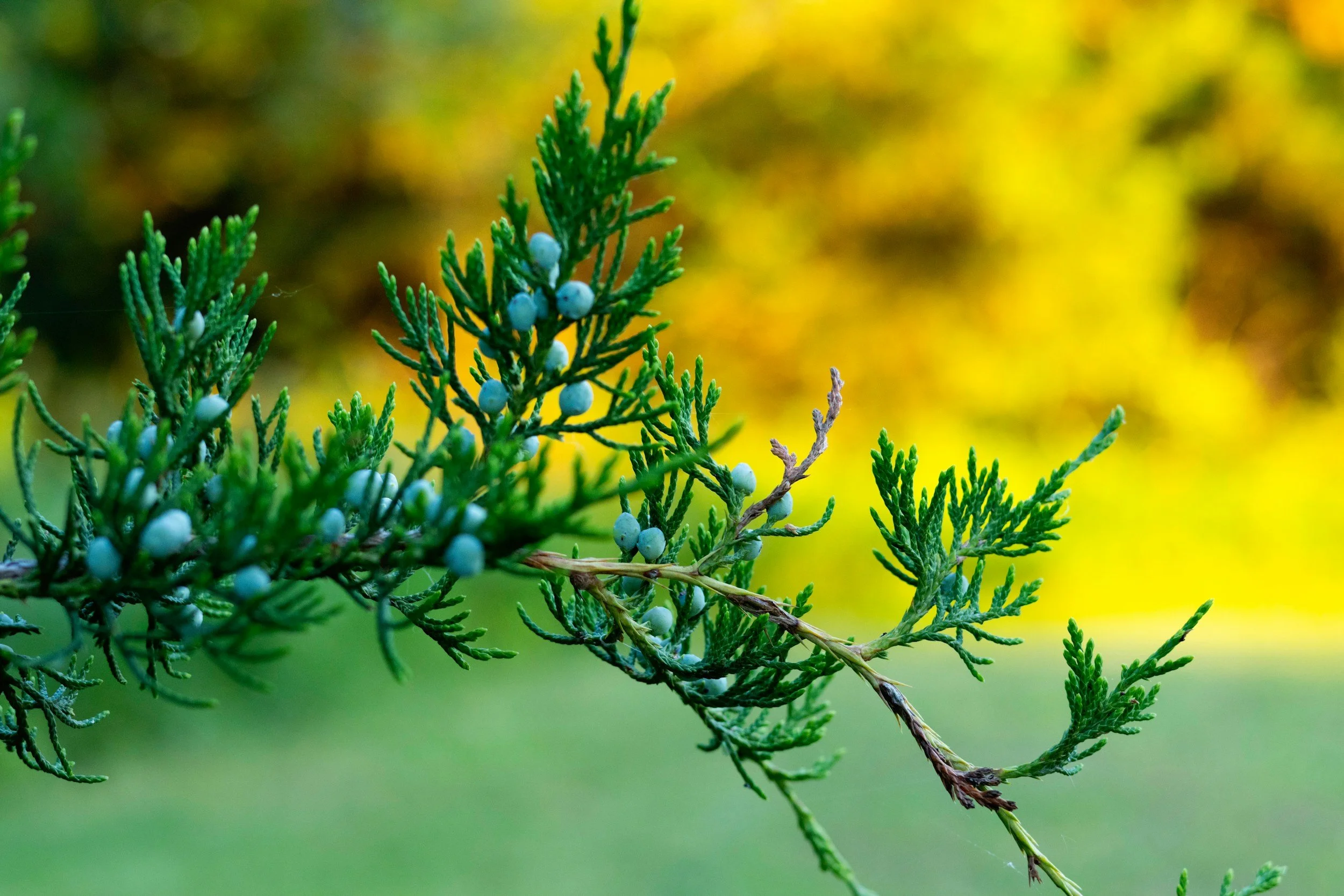
Evergreen hedges like cedar and juniper need gentler handling than deciduous hedges.
The most important rule: never cut into bare wood. Cedars and junipers won't regrow from branches that have no green foliage. If you cut too far back, you'll have permanent brown holes in your hedge.
Light trimming of new growth is fine in late spring or early summer. Just take off the fresh tips to encourage density and maintain shape. Avoid trimming in fall, as new growth won't have time to harden off before winter.
If a cedar hedge has grown too wide, you can trim back the sides as long as you leave green foliage. But if it's grown too tall and you cut the top into bare wood, that's permanent — the only solution is to live with the height or replace the hedge.
NEED HELP?
Arborista Tree Care
📞 (587) 917-6554
☑️ Serving Calgary & Area
☑️ Fully insured
☑️ Same-week estimates
☑️ We clean up after ourselves
Not sure if your tree needs professional attention? Have a hedge that's gotten away from you? Questions about what to prune and when?
We're happy to take a look and give you honest advice — even if the answer is "you can handle this yourself."